How Does Weight Gain Actually Operate In Our Bodies?
Body Structure Uc Davis Sporting Activities Medication

Just How To Shed Chest Fat Efficiently? Backed By Medical Research Studies
At Squlpt, we offer a variety of therapies to target persistent fat in various areas, consisting of the midsection, upper legs, arms and chin & neck. The regulations of physics state that our body weight is the impact of the globe's gravitational velocity (g) on our body mass. For decades, is afraid regarding the potential wellness dangers of HRT have left menopausal women with restricted symptom relief. Reducing salt and carbohydrate intake, keeping moisturized, and frequently working out are all great ways to lose water weight and avoid it from returning. Strategies such as lowering salt and carbohydrate consumption, consuming even more water, and working out might aid a person to shed water weight. According to the United States Geological Survey (USGS), on average, water composes 60% of a grownup's body weight.What Is The Difference In Between Subcutaneous Fat And Natural Fat?
Your body might shed natural fat first, which improves health and wellness also prior to you notice visual changes. These refined foods are calorie-dense yet low in satiation, making fat loss more difficult to maintain. If your thyroid (the butterfly-shaped gland in the front of your neck) is not making sufficient thyroid hormone, you're probably really feeling tired, weak, and cold, and gaining weight. Without adequate thyroid hormone, your metabolism reduces, making weight gain more probable. Even a thyroid operating at the reduced end of the normal range could cause weight gain. Treating hypothyroidism with drug might turn around several of the weight gain.- Total weight loss normally happens systemically, even when frustration is focused in one zone.
- " What proponents of EBM argue, nevertheless, is that total calorie consumption is still much more important for weight gain than the resource of those calories."
- Very hostile calorie restriction (consuming well below your BMR) activates adaptive thermogenesis-- your body's survival mechanism that slows down metabolism to preserve power.
- Absence of sleep interferes with hormonal agents like ghrelin (increases cravings) and leptin (signals fullness), making it harder to manage hunger.
- " This is an important problem, and yet we actually still do not recognize what triggers it," Speakman stated throughout his opening up remarks.
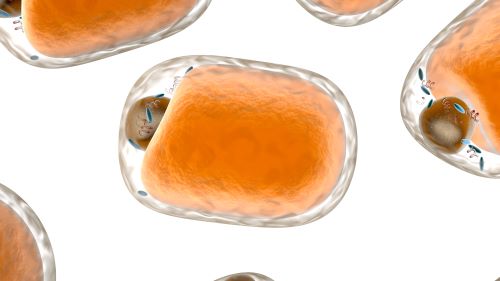
Boosted metabolic adaptability results in a bigger portion of overall energy expense originating from β-oxidation in the relaxing state, therefore increasing overall fat oxidation. Moreover, an increase in mitochondrial oxidative phosphorylation in adipocytes can contribute to a rise in EPOC. However, evidence that this takes place in adult humans in response to workout is limited, and will not be additional gone over (Cannon and Nedergaard, 2011). The prevalence of obesity worldwide has actually increased drastically over the last few decades (Forouhi and Wareham, 2014). Raised energy intake and inadequate physical activity lead to a favorable power equilibrium, the major reason for weight gain that ultimately results in weight problems.
Besides, the largest determinant of just how much fat your body is saving deep in your abdominal area is your total body weight. Compared to visceral fat, subcutaneous fat is extra metabolically passive, implying it does not react as quickly to diet regimen and exercise. This makes it harder to shed, specifically in locations like the reduced abdomen, hips, and upper legs. It's not that individuals are putting on weight by eating way too much and not exercising enough, they state. Rather, something concerning the food-- all those high-glycemic treats and treats in the Western diet regimen-- is straining the body hormonally, predisposing it to save fat and (in some way) stimulating much more consumption of those foods.